
Most Problems Are Preventable
The overwhelming majority of car shipping experiences go smoothly. Vehicles are picked up on time, delivered undamaged, and customers do not think twice about the process. The ones that do not go smoothly almost always involve a step someone skipped, a question they did not ask, or a detail they found out about after the fact.
These ten points cover the things that matter. Read them before you book, and you will be in better shape than most customers we work with for the first time.
1. Verify the Carrier Before You Pay Anything
Every legitimate auto transport carrier or broker is required to hold operating authority with the Federal Motor Carrier Safety Administration (FMCSA). Before you send a deposit, go to safer.fmcsa.dot.gov and search the company by their DOT or MC number. Their status should say Active. Their insurance should be on file.
If a company cannot or will not give you their DOT number, that is a hard stop. Walk away.
2. Get at Least Three Quotes
Prices in this industry can vary by $200 to $400 for the same route. Get multiple quotes. But be skeptical of the lowest one. A quote that is dramatically below the others usually means one of two things: the price will go up before or at pickup, or the broker will struggle to find a driver willing to haul at that rate and your vehicle will sit in a queue waiting.
You want a competitive price, not necessarily the cheapest one.
3. Know What Your Quote Includes
Before signing anything, confirm these specifics in writing:
- Is this door-to-door, or terminal-to-terminal?
- What is the cargo insurance limit?
- Are there extra fees for your pickup or delivery location?
- What is the cancellation and refund policy?
A reputable company gives you clear answers. Vague or evasive responses about these basics should make you cautious.
4. Document Your Vehicle Thoroughly Before Pickup
This is the most important thing you can do to protect yourself, and most people skip it or do it carelessly.
The day before or morning of pickup, walk around the entire vehicle and take clear, well-lit photos of every panel, the roof, the windshield, the front and rear bumpers, and any pre-existing scratches, dents, or chips. Check that the photos are time-stamped. Your smartphone does this automatically.
Also note your current mileage in a photo. This is your evidence if anything is ever in dispute at delivery.
5. Keep the Fuel Tank Low
A full tank of gas adds 100 to 125 pounds to your vehicle. Carriers prefer a quarter tank or less. Some will decline to load a vehicle with a full tank, or will note it on the Bill of Lading as a concern. There is no benefit to shipping with a full tank — you will fill it when you get there anyway.
6. Clear Out Personal Belongings
Transport insurance covers the vehicle itself, not the contents. Anything left inside — electronics, cameras, documents, sunglasses, gym equipment — is not covered if it goes missing or is damaged during transit.
If a carrier does allow personal items in the trunk (some do, with restrictions), they will note it on the Bill of Lading. The weight limit is typically 100 pounds. Do not leave valuables under any circumstances.
7. Make Sure the Car Is in Working Condition
Before pickup, confirm that the tires are properly inflated, the battery is charged, and there are no active fluid leaks. Fluid leaks are a particular issue — a dripping oil pan can damage other vehicles on the same carrier. If there is a known leak, disclose it.
If your vehicle is non-running, tell the carrier when you book, not when the driver shows up. Non-runners require special winch equipment and are priced differently. Springing that information at pickup can result in a refused load or significant on-site fees.
8. Disable the Alarm
A car alarm that triggers repeatedly during transit drains the battery. The driver cannot always disarm it remotely, and there are long stretches where a carrier truck is moving and the driver cannot stop to deal with it. Disable the alarm before pickup, or leave clear written instructions for the driver on how to turn it off.
9. Read the Bill of Lading Before You Sign It
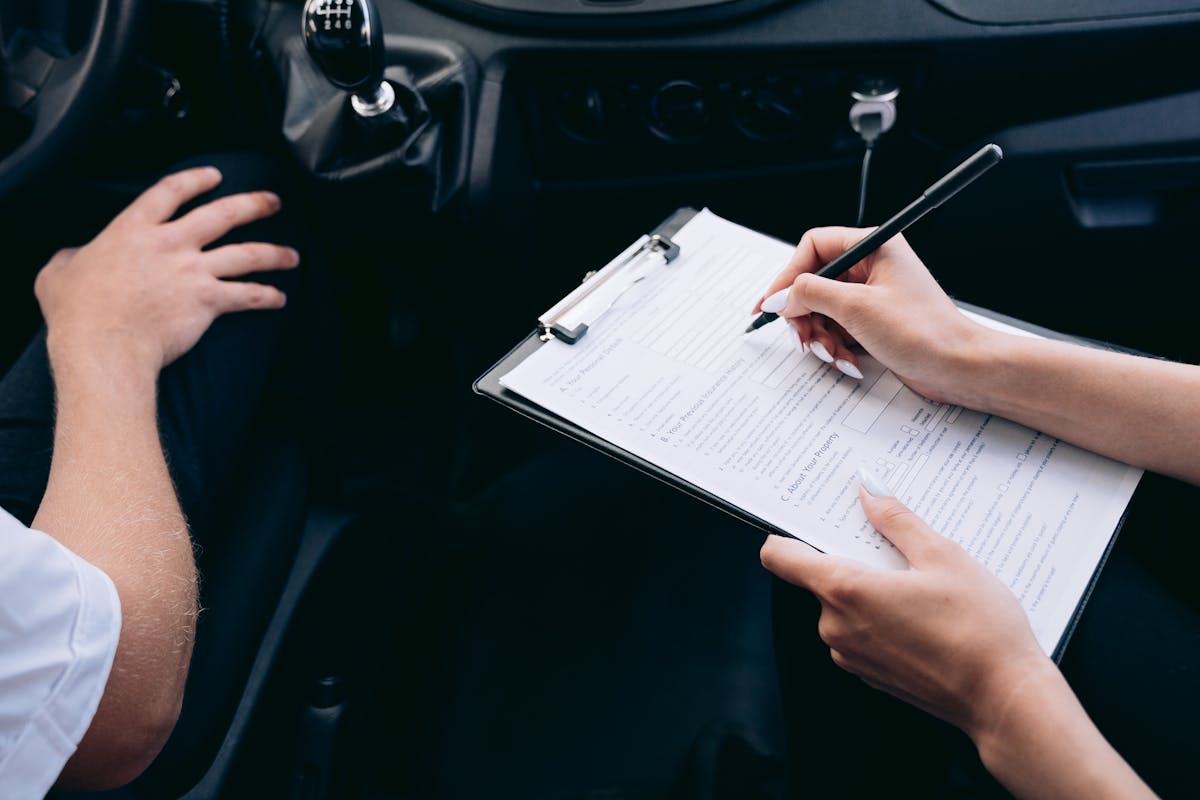
The Bill of Lading is a condition report completed at pickup and again at delivery. It documents the state of your vehicle before it leaves and when it arrives. Both you and the driver sign it.
Read it at pickup. Make sure every existing scratch, dent, or chip you are aware of is noted on the form. If it is not documented at pickup, the carrier can argue any existing damage was already there. Do not rush through this step.
10. Inspect Thoroughly at Delivery Before You Sign
When your vehicle arrives, do not sign the delivery Bill of Lading until you have done a proper walkthrough. Compare the vehicle against your pre-transport photos and your copy of the pickup inspection form.
Check every panel, the roof, the windshield, and the undercarriage if possible. Do this in decent lighting. If delivery happens at night and you cannot see clearly, note that on the form and request a daytime inspection.
Any new damage should be documented on the Bill of Lading in writing before you sign and before the driver leaves. Once you sign a clean delivery receipt, filing a successful damage claim becomes very difficult.
One More: Book Early
Two to four weeks of lead time gives carriers room to build a full load on your route, which keeps your rate competitive and allows for a tighter pickup window. Last-minute bookings work, but they often cost more and can mean a longer wait for an available truck.