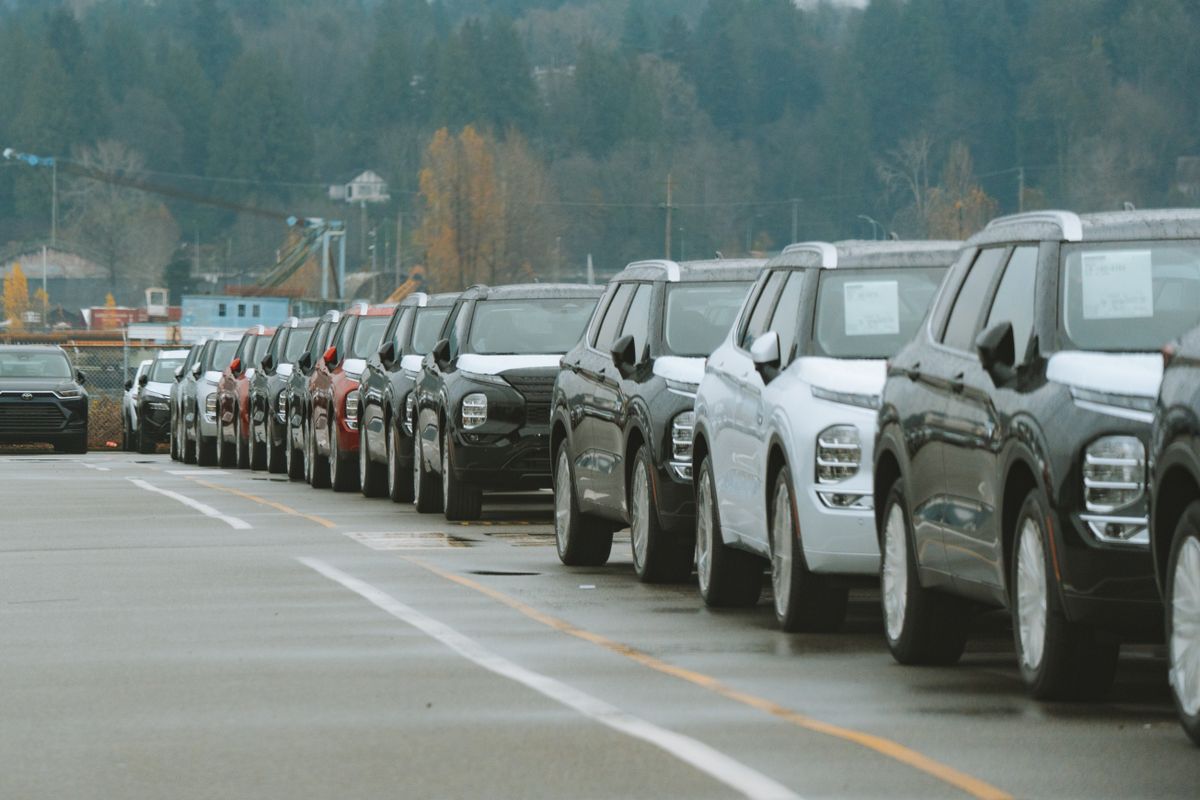
The 2026 carrier shortage is adding 3–10 days to dispatch timelines on secondary auction lanes, with floorplan interest accruing throughout. Dealers protecting inventory turnover are pre-arranging transport before auction purchases close, consolidating multi-vehicle pickups to fill partial loads faster, and building volume relationships with transport partners to access priority dispatch that spot-market buyers can't.

The 2026 carrier market is the tightest it has been in years. An aging driver workforce, rising fuel and insurance costs, and post-pandemic fleet consolidation have reduced available transport capacity at the same time that dealer vehicle transport demand has stayed elevated. For dealers managing auction-to-lot logistics, the margin for delay has compressed — and the strategies that worked in a loose carrier market don't translate cleanly to the current environment.
Why Is the Current Carrier Shortage Hitting Dealer Transport Harder Than Consumer Shipping?
Consumer car shipping is generally flexible — a customer shipping a personal vehicle can usually absorb a few extra days without significant cost. Dealer inventory transport operates on a fundamentally different calculus. Every day a vehicle sits at an auction lot before reaching the dealership is a day it's not generating revenue or building trade-in equity. Floorplan financing begins accruing interest from the day of purchase, not from the day of delivery. In a compressed capacity market, that clock runs at full speed while the vehicle waits for a carrier.
Floorplan interest doesn't pause while your auction buy waits for a trailer. In a tight carrier market, that gap has a real dollar cost per vehicle per day.
What Auction Lanes Are Experiencing the Worst Capacity Pressure?
The most constrained lanes in 2026 are secondary corridors — routes connecting regional auction hubs to smaller dealer markets that aren't on primary interstate corridors. Atlanta-to-rural-Carolinas, Dallas-to-New-Mexico, Chicago-to-Wisconsin clusters all show elevated wait times relative to high-volume lanes. Primary lanes like Florida-to-Northeast or California-to-Nevada remain relatively active, though even those are slower than pre-2023 benchmarks.
How Can Dealers Compress Auction-to-Lot Timelines in This Market?
The most effective strategies dealers are using right now fall into three categories:
Pre-arranging transport before the auction purchase closes. Rather than calling a transport company after the vehicle is bought, the most operationally sophisticated dealers are confirming carrier availability on key lanes before they bid. If a specific auction lane is showing 10+ day dispatch windows, that information can factor into bid aggressiveness — or the decision not to bid at all. A five-day delay on a $35,000 vehicle at $10/day in floor plan cost is $50 of margin erosion before the car arrives.
Consolidating auction purchases by lane. A dealer buying three vehicles from the same auction to the same destination can often negotiate consolidated transport pricing and, more importantly, fill a partial load that would otherwise wait. Working with a transport partner who can coordinate multi-vehicle pickups from the same auction date reduces the per-vehicle dispatch window significantly.
Building relationships with transport companies rather than bidding every order out. In a capacity-constrained market, carriers prioritize volume relationships. Dealers who consistently route 10–20+ units per month through the same transport partner typically get priority dispatch access that spot-market buyers don't. This is a structural advantage that compounds over time as the relationship deepens.
Should Dealers Use Expedited Transport More During Shortages?
For high-margin units where day-on-lot efficiency matters — certified pre-owned, late-model vehicles, or any unit with a buyer already waiting — the expedited premium often pencils out. On a $40,000 unit with a buyer waiting and $12/day in carrying costs, shaving four days off delivery timing with a $150 expedite premium is a straightforward return-on-investment calculation.
For bulk aged inventory or lower-margin units, the calculus is different. The answer depends on the unit's carrying cost, margin, and whether there is an active buyer at risk. The best dealers apply expedited selectively rather than across all transport orders.
What Should Dealers Ask Their Transport Partners Right Now?
In the current market, these three questions are worth asking any transport company you work with: What are current dispatch windows on your highest-volume auction lanes? Do you offer priority dispatch for volume accounts, and what is the threshold? If a carrier falls through after dispatch, what is your backup coverage protocol and what is the typical resolution time?
A transport partner who can answer all three with specifics — rather than reassurances — is operating with the visibility you need to plan your inventory pipeline accurately in a tight market.
Frequently Asked Questions
Can dealers lock in transport rates in advance to protect against price spikes during shortages? Some transport companies offer volume rate agreements for dealers shipping consistent monthly quantities. These aren't common for spot buyers, but dealers moving 15+ units per month often qualify. Ask specifically about rate stability programs.
How does the carrier shortage affect enclosed transport availability for high-value dealer units? Enclosed capacity is tighter than open transport and has been more volatile. If you regularly ship collector or luxury inventory through dealer channels, building a specific relationship with an enclosed carrier — rather than relying on the spot market — is increasingly important.
What documentation does a dealer need when shipping vehicles from auction? Standard requirements include the auction purchase receipt, title or title in-transit documentation, and proof of dealership licensure. Some carriers and transport companies also require a dealer-to-dealer transport authorization form. Confirm requirements with your transport partner before the auction date to avoid delays at pickup.