
EV shipping costs roughly the same as a comparable gas vehicle, but weight matters more — many EVs run 20 to 30 percent heavier than similar gas models, which can affect carrier assignment on open trailers. Battery charge should be kept in a moderate range (20 to 60 percent) for transport: not fully charged, which adds unnecessary weight and is not ideal for thermal stability, and not near empty, which risks the vehicle being unable to start for loading and unloading.
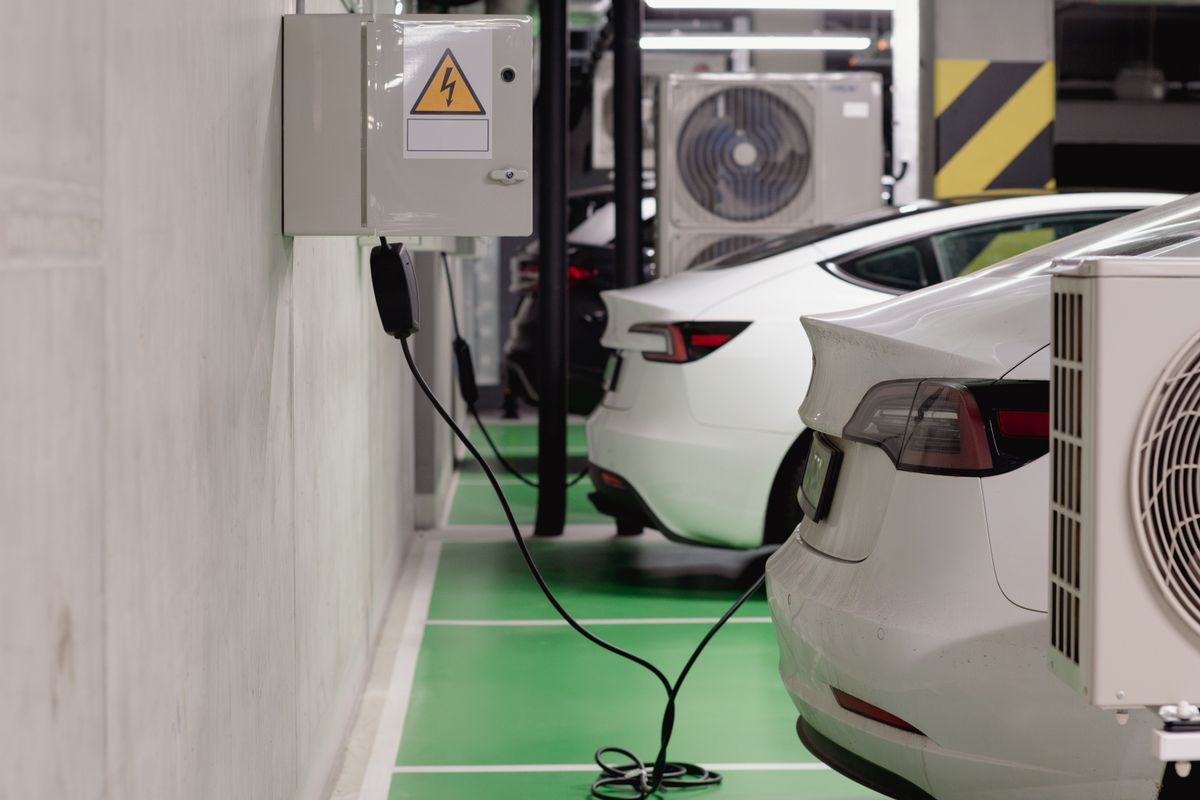
Electric vehicles are no longer a niche category. In 2026, EVs make up a meaningful share of the vehicles moving across the country on auto transport carriers, and that shift has introduced a handful of considerations that do not apply to gas-powered cars. The good news for EV owners is that the basics of shipping — how it works, how pricing is structured, how to choose between open and enclosed — are largely the same. The differences are in the details, and they are worth understanding before you book.
Why EV Weight Matters More Than You Think
Battery packs are heavy. This is a fundamental physical reality of electric vehicles, and it has real consequences for transport. A typical EV is 20 to 30 percent heavier than a comparable gas-powered vehicle in the same segment. For example, a midsize electric sedan can weigh as much as a full-size gas SUV. That weight difference matters when carriers are calculating how many vehicles they can legally load onto a trailer.
Open auto carriers — the two-level, 7 to 10-car haulers you see on the highway — have strict weight limits set by federal and state bridge laws. A carrier that could legally load 9 average gas sedans might only be able to take 7 or 8 if several of those vehicles are EVs. The carrier has to leave slots empty to stay under the legal gross vehicle weight rating, which means fewer paying loads per trip.
What this means in practice: on routes with high EV volume — particularly in and out of California and increasingly Texas — carriers may be more selective about which shipments they accept, and a particularly heavy EV might take longer to dispatch than a comparable gas vehicle on the same route. This does not usually result in a higher price — most brokers quote by vehicle class, not by pound — but it can affect how quickly a carrier is assigned, especially during peak season when carriers have their pick of loads.
If you are shipping a larger EV like a Hummer EV, Cybertruck, or a full-size electric pickup, mention the specific vehicle at the time of quoting. These vehicles can approach or exceed the weight of the largest gas trucks, and some carriers may need to account for them differently in terms of slot assignment and tie-down equipment.
Battery Charge Level: Not Too Full, Not Too Empty
One of the most common questions from first-time EV shippers is how much charge the battery should have at pickup. The guidance from manufacturers and transport professionals is consistent: aim for a moderate charge level, generally between 20 and 60 percent.
Here is why both extremes are problematic:
A fully charged battery (90 to 100 percent): adds unnecessary weight — and as discussed above, weight already works against EVs on carriers. A full battery also creates a minor but real fire risk consideration. Lithium-ion batteries are most thermally stable at mid-range charge levels. While transport-related battery fires are extremely rare, carriers are aware of this principle, and some prefer not to transport vehicles at maximum charge.
A nearly empty battery (under 10 percent): creates a different problem. If the carrier needs to start the vehicle to load or unload it, move it within a staging area, or reposition it on the trailer, a dead battery means the vehicle cannot be driven — effectively turning it into a non-running vehicle, which typically costs more to ship and requires a winch or forklift. Even if the carrier is informed in advance, a dead EV is harder to handle than a gas vehicle that just needs a jump.
The practical recommendation: charge your EV to roughly 30 to 50 percent before the carrier arrives. This gives enough range for loading and unloading maneuvers without adding unnecessary weight, and it keeps the battery in its most stable thermal range during transit.
Is Enclosed Transport Worth It for an EV?
For most EVs, open transport is perfectly fine. The vehicle is fully insured on an open carrier, and EVs are designed to withstand normal weather and road conditions — they encounter both every day when driven. If you daily-drive your EV in rain, heat, and highway conditions, open transport exposes it to nothing worse than what it already handles.
Enclosed transport becomes worth considering for EVs in a few specific situations:
- High-value EVs: If you are shipping a luxury EV (a Porsche Taycan, a Lucid Air, a high-trim Tesla Model S or Model X), enclosed transport protects the paint and body from road debris, salt, and weather. The cost premium — typically 40 to 60 percent above open — may be worth it for a vehicle where even minor cosmetic damage is expensive to repair.
- New or collector EVs: A brand-new EV being delivered from a dealer across the country, or a limited-production EV you want to keep in pristine condition, is a good candidate for enclosed.
- Extreme weather routes in winter: If your EV is shipping through regions with severe cold, ice, or road salt, enclosed transport provides an extra layer of protection. This is less about the battery (which is sealed) and more about protecting the exterior and undercarriage from corrosive exposure.
For a standard daily-driver EV — a Model 3, a Bolt, an Ioniq 5, a Mach-E — open transport is the practical choice. You will save significantly, and the vehicle will arrive in the same condition it would after a road trip.
Cold Weather Considerations Specific to EVs
Cold weather affects EV shipping in ways that are distinct from gas vehicle shipping. The vehicle itself is not dramatically more fragile, but the battery chemistry introduces some considerations worth noting.
Battery degradation in extreme cold: Lithium-ion batteries lose usable capacity in very low temperatures. This is temporary — capacity returns when the battery warms up — but it means that if your EV arrives in a cold climate with a low charge, you may have less range than expected for the first drive after delivery. Plan to charge the vehicle soon after pickup rather than relying on whatever charge remains from transport.
Thermal management systems: Most modern EVs have battery thermal management — active heating and cooling systems that maintain battery temperature. These systems draw power even when the vehicle is parked. If your EV is on a carrier for 5 to 7 days in cold weather, the thermal system may slowly drain the battery to protect itself. This is another reason to start transport with a moderate-to-higher charge (closer to 50 to 60 percent) rather than a minimal one, particularly for cross-country shipments through cold regions.
Pre-conditioning before delivery: If possible, arrange to have a charging station available at the delivery location. In very cold climates, it is good practice to plug in the EV shortly after delivery rather than letting it sit unplugged in sub-freezing temperatures with a partial charge.
None of these cold-weather factors make EV shipping risky — they just require a bit more planning around charge level and post-delivery charging compared to a gas vehicle, where you simply fill up at the nearest gas station.
Carrier Equipment: What Is Different?
The short answer is: for the vast majority of EVs, nothing is different about the carrier equipment. Standard open and enclosed auto carriers can transport EVs without any special modifications. The vehicles are loaded, secured with standard tie-down straps at the wheels, and transported the same way as any gas vehicle.
There are a few equipment-related points worth being aware of. Some of these reflect practices that are still evolving as EV adoption grows, and industry-wide data is still limited in places:
- Tie-down points: EVs generally use the same wheel-contact tie-down method as gas vehicles. Some very low-clearance EVs may require the carrier to use soft straps or modified ramp angles to avoid underbody contact. This is the same consideration as any low-slung sports car, not unique to EVs.
- Loading ramps: Heavier EVs (full-size electric trucks and SUVs) may exceed the weight rating of some lighter-duty carrier ramps, though industry-wide data on how often this affects heavier EVs specifically is still limited — most standard carriers handle heavy vehicles routinely. If you are shipping an exceptionally heavy EV, it is worth mentioning the specific vehicle weight to the broker so they can confirm the carrier has appropriate equipment.
- Charging at pickup or delivery: Carriers do not charge EVs during transport, and most are not equipped to. The charge level at delivery will be roughly what it was at pickup, minus any drain from thermal management systems (see above). Do not expect the carrier to plug in your vehicle at any point during the trip.
The bottom line on equipment: if you are shipping a normal EV on a standard route, there is no need to seek out a "specialized EV carrier." Any reputable carrier with experience handling passenger vehicles can transport your EV. If you have an unusually heavy or unusually low-clearance EV, just communicate the specifics at the time of booking so the broker can match you with a carrier whose equipment is appropriate.
Frequently Asked Questions
Does battery charge level matter for shipping?
Yes. Aim for 20 to 60 percent charge at pickup. A full battery adds unnecessary weight and is not ideal for thermal stability during transport. A nearly empty battery risks the vehicle being unable to start for loading and unloading, which could result in non-running vehicle fees. A moderate charge gives enough power for the carrier to drive the vehicle on and off the trailer without adding excess weight or creating thermal concerns.
Do EVs need special carrier equipment?
For most EVs, no. Standard open and enclosed carriers handle them the same way as gas vehicles — wheel-contact tie-downs, standard ramps, standard insurance. Exceptions are very heavy electric trucks or SUVs that may exceed lighter-duty ramp weight ratings, and very low-clearance EVs that may need soft straps or adjusted ramp angles. If your vehicle falls into either category, mention it at booking so the broker can match you with an appropriately equipped carrier.
Is enclosed transport worth it for an EV specifically?
For a daily-driver EV like a Model 3, Bolt, or Ioniq 5, open transport is fine — the vehicle handles weather and road conditions the same way it does when you drive it. Enclosed becomes worth it for high-value EVs (Porsche Taycan, Lucid Air, high-trim Tesla), new or collector EVs you want kept pristine, or shipments through severe winter weather where road salt and ice are a concern. The enclosed premium is 40 to 60 percent above open, so weigh that against your vehicle's value and condition expectations.
Does cold weather affect EV shipping differently than gas vehicles?
Yes, in two specific ways. First, lithium-ion batteries temporarily lose capacity in extreme cold, so your EV may have less range than expected immediately after delivery in a cold climate — plan to charge soon after pickup. Second, modern EVs have thermal management systems that draw power even while parked, which means the battery can slowly drain during a multi-day transit through cold regions. Start with a slightly higher charge (50 to 60 percent) for winter cross-country shipments, and have a charging solution ready at delivery.
Are there weight restrictions I should know about?
EVs are typically 20 to 30 percent heavier than comparable gas vehicles due to battery pack weight. This does not usually result in higher shipping costs — brokers quote by vehicle class, not by pound — but it can affect carrier slot assignment on open trailers, which have legal weight limits. On high-volume EV routes, a heavy EV might take slightly longer to dispatch than a comparable gas vehicle. For exceptionally heavy EVs like electric full-size trucks, mention the specific vehicle and approximate weight at booking so the broker can confirm the carrier can accommodate it.