
Shipping a car to another state typically takes 1–7 days depending on distance and costs $300–$1,500 depending on route, trailer type, and season. The process has three steps: get quotes from licensed brokers, a carrier picks up your vehicle within your agreed window, and it is delivered door-to-door with a bill of lading inspection at both ends. Booking 2–3 weeks out and choosing an FMCSA-registered broker keeps the process straightforward and avoids last-minute price surprises.
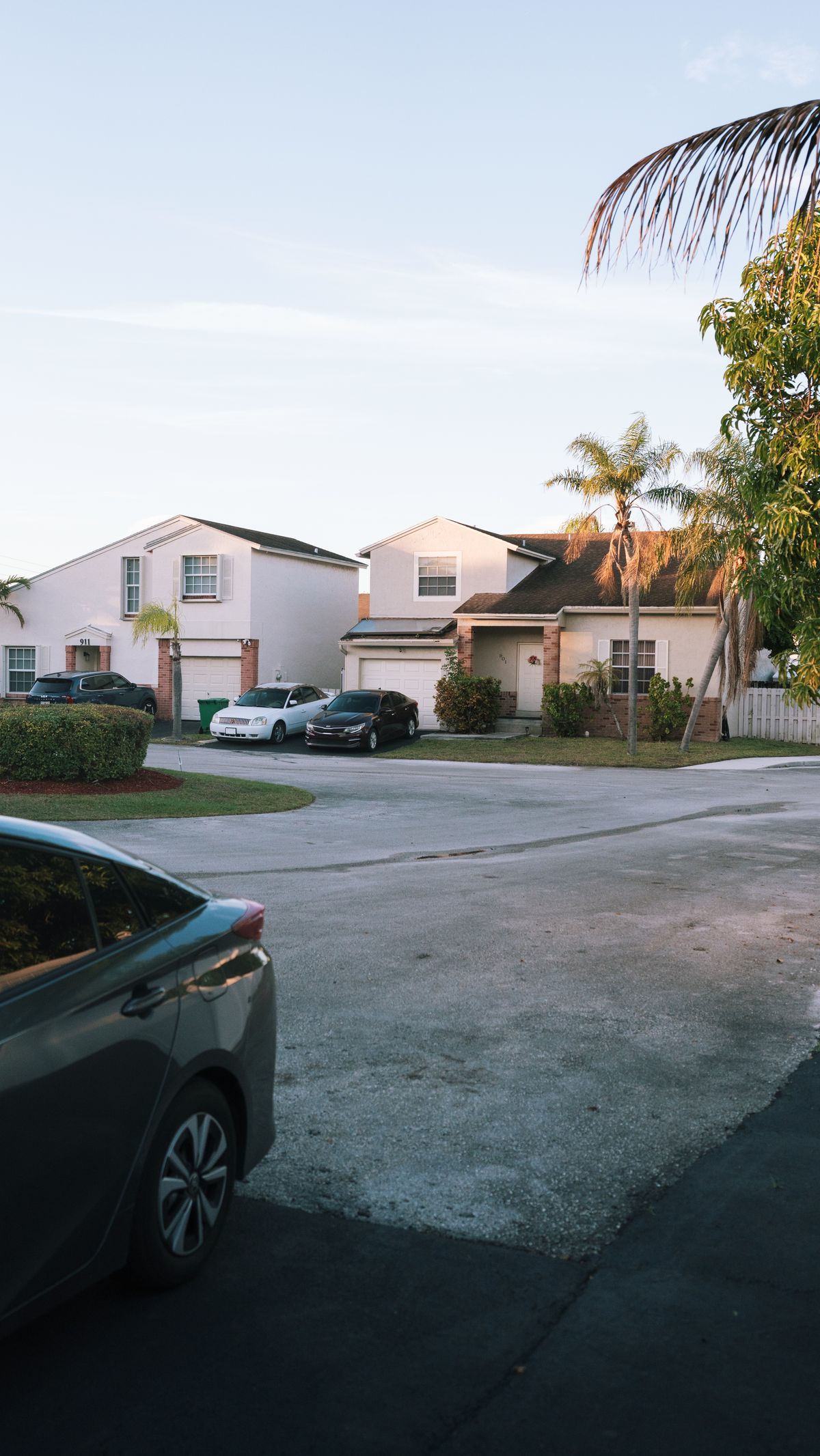
If you've never shipped a car to another state, the process can seem opaque at first. What actually happens between getting a quote and having your keys handed back to you? Here's the full, honest walkthrough.
Step 1: Get a Quote
Start with an instant online quote or call a transport broker directly. You'll need to provide:
- Pickup and delivery ZIP codes
- Vehicle year, make, and model
- Whether the vehicle is running
- Your preferred transport type (open or enclosed)
- Estimated pickup date or window
Quotes are estimates. Final pricing is confirmed when a carrier is assigned.
Step 2: Book and Place on the Load Board
Once you accept a quote and sign the transport agreement, your shipment is listed on the central dispatch load board — a real-time marketplace where carriers bid on loads. Most shipments get carrier matches within 1–5 business days.
Step 3: Carrier Assignment
You'll receive a call or notification with the carrier's name, DOT number, insurance information, and an estimated pickup date. At this point, you should verify the carrier's credentials on the FMCSA website if you want additional peace of mind.
Step 4: Pickup and Bill of Lading
The carrier arrives at your pickup location (door-to-door service means your driveway or nearest accessible street). You and the driver complete a vehicle inspection together and sign the Bill of Lading — the official condition report. Note any existing scratches, dents, or damage before signing.
Step 5: Transit
Your car is loaded onto the carrier and is on its way. You can contact the carrier directly for status updates. Transit time depends on distance — typically 2–9 days for most state-to-state routes.
Step 6: Delivery
The driver will call 12–24 hours ahead of arrival. Meet the carrier at the delivery location. Inspect the vehicle carefully against the original Bill of Lading. If there is any new damage, note it on the delivery BOL before the driver leaves. Do not sign a clean delivery report if there is damage you didn't document.
What Brokers vs. Carriers Actually Do
Most auto transport companies are brokers — they arrange the shipment and assign a vetted carrier. The carrier is the company that physically moves your car. This is standard and legal. What matters is that the broker works with insured, FMCSA-licensed carriers and that you receive insurance documentation upfront.
Payment
Most shipments require a small deposit at booking, with the balance due at delivery (typically paid to the carrier in cash or certified funds). Some companies offer full prepay. Make sure you understand the payment terms before booking.
What Can Go Wrong and How to Avoid It
- Carrier no-shows: Rare, but can happen. Book with a reputable broker who has backup options.
- Late delivery: Weather, traffic, and mechanical issues affect transit. Build in buffer days if you have a deadline.
- Undisclosed damage: Always inspect before signing the delivery BOL.